Leadership has always been the foundation of successful businesses, but today the expectations placed on CEOs are greater than ever. Rapid technological change, evolving workforce dynamics, global competition, and shifting customer expectations demand leaders who can adapt, inspire, and innovate at a pace few generations of executives have had to manage before.
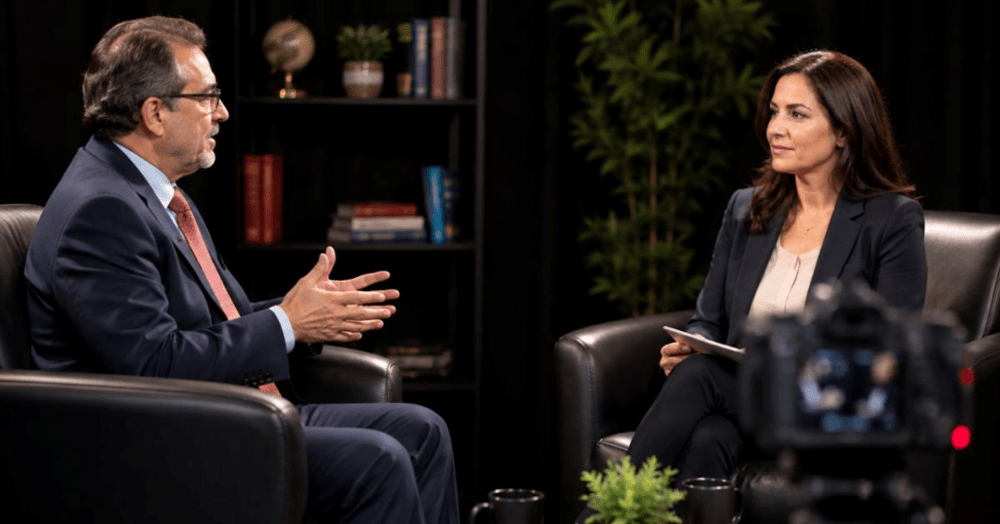
Today’s CEO is no longer simply responsible for managing operations or growing revenue. They are expected to build a compelling vision, foster innovation, lead resilient teams, and guide their organizations through constant technological disruption, all while staying grounded in the human judgment that no system can replace. This is a theme we explore constantly at Sarder TV, the global idea sharing platform where the world’s leaders are making the enterprise AI ready, one conversation at a time. In fact, one of our interviews digs directly into what leadership skills matter most in today’s business environment, and many of the same traits surface again across our conversations with CEOs, authors, and academics.
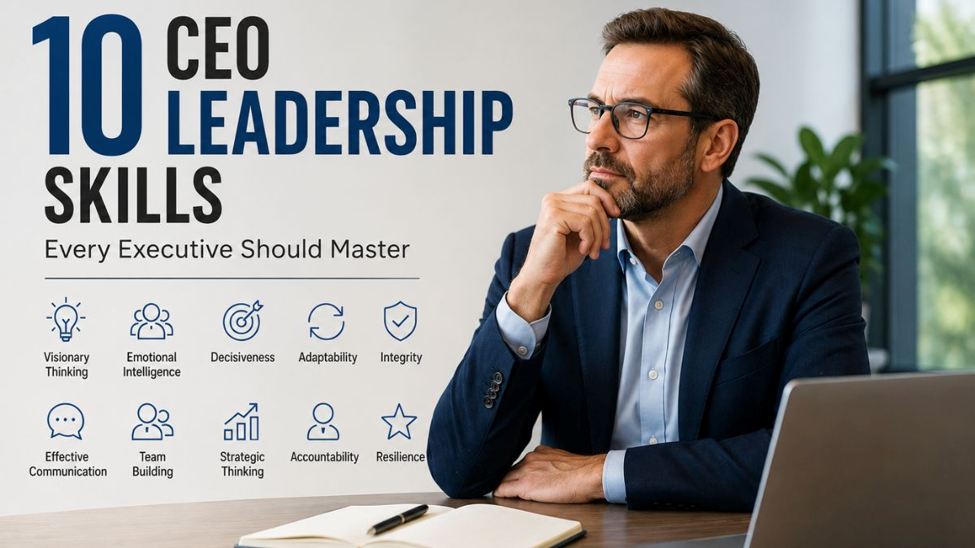
This article breaks down the ten essential leadership traits every CEO should develop to succeed in today’s fast-changing business environment, along with practical ways to build each one.
Why Leadership Matters More than Ever
Modern businesses operate in an environment of constant change. Artificial intelligence, automation, hybrid work, and economic uncertainty all require leaders who can make informed decisions quickly and communicate them clearly.
Employees want meaningful work; customers expect exceptional experiences, and investors expect sustainable growth. CEOs have to balance all of these priorities while keeping a clear strategic direction. Strong leadership helps organizations navigate uncertainty with confidence; build engaged teams, encourage innovation, and create long-term value. Leadership is not simply about holding authority. It is about influence, trust, and the ability to move people toward a shared goal.
10 Essential Leadership Traits Every CEO must Master
- Visionary Thinking
Every successful CEO starts with a clear vision. Visionary leaders look past today’s challenges and spot opportunities others might miss. They anticipate industry shifts, embrace emerging technologies, and prepare their teams for what’s next. A strong vision gives employees, partners, and investors a shared sense of direction.
How to develop it: Study industry trends closely, follow emerging technologies, listen carefully to customer feedback, and set aside dedicated time for strategic thinking rather than letting daily operations consume the entire calendar.
- Emotional Intelligence
Technical skill alone is not enough to lead effectively anymore. Emotional intelligence, the ability to understand your own emotions while recognizing and responding to the emotions of others, has become one of the most valuable leadership skills. CEOs with high emotional intelligence build trust, resolve conflict well, and create workplaces where people feel safe speaking up.
How to develop it: Practice active listening, ask for honest feedback from colleagues, stay calm under pressure, and make a habit of recognizing employee contributions regularly.
- Decisiveness
CEOs make countless decisions every day, from hiring and investment choices to product direction and market expansion. Successful leaders gather the relevant information, weigh the risks, and make timely calls without getting stuck in analysis of paralysis. Not every decision will be perfect, but a delayed decision often causes more damage than an imperfect one made on time.
How to develop it: Trust experienced advisors, communicate decisions clearly once made, take responsibility for outcomes, and treat mistakes as data rather than failures to dwell on.
- Adaptability
Business environments shift quickly. Customer behavior changes, new technologies emerge, and competitors introduce fresh approaches without warning. CEOs who resist change risk falling behind, while adaptable leaders treat uncertainty as an opportunity rather than a threat.
How to develop it: Encourage experimentation within your teams, stay current on industry developments, and regularly revisit your strategy instead of treating it as fixed once it’s set.
- Integrity
Integrity is one of the most respected qualities any CEO can hold. Employees, investors, and customers are far more willing to support leaders who consistently act with honesty, fairness, and accountability. A CEO with integrity keeps commitments, makes ethical decisions even when they are difficult, and takes ownership of mistakes rather than deflecting them.
How to develop it: Be transparent about both challenges and wins, keep your actions consistent with your words, and hold the same ethical standard for yourself that you expect from your team.
- Effective Communication
A CEO’s ability to communicate clearly can determine whether a company thrives or struggles. Great leaders explain company goals and priorities in a way employees can act on, and just as importantly, they listen. Successful CEOs actively seek feedback from employees, customers, and the market before making major decisions.
How to develop it: Practice clear, direct messaging, ask more questions than you answer in team conversations, and give honest feedback in both directions.
- Innovation Mindset
Innovation is not optional anymore, and it is not limited to technology companies. Restaurants are innovated. Retail businesses innovate. Even small companies innovate through better service or smarter internal processes. The most successful CEOs constantly look for ways to improve products, services, and operations.
How to develop it: Create space for employees to share ideas without fear of judgment, run pilot projects before full rollouts, and build regular customer feedback into your planning process.
- Empowering Teams
Great CEOs know they cannot build a successful company alone. Instead of controlling every decision, they empower employees to take ownership and contribute ideas. Empowered teams tend to show higher motivation, faster decision-making, and stronger collaboration.
How to develop it: Delegate meaningful responsibility rather than just tasks, invest in employee training, recognize achievements publicly, and trust your team to solve problems without micromanaging the process.
- Continuous Learning
Markets evolve, technology changes, and customer expectations shift constantly. Successful CEOs remain lifelong learners, investing time in reading, industry events, executive education, and mentorship. Learning helps leaders anticipate change instead of simply reacting to it once it arrives.
How to develop it: Read industry news regularly, follow credible experts and thought leaders, and take time to reflect on lessons from past decisions, both the ones that worked and the ones that didn’t.
- Resilience
Every CEO faces setbacks. Economic downturns, failed launches, staffing challenges, and unexpected disruptions are part of running any business. Resilient leaders stay focused despite adversity, analyze what went wrong, and move forward with renewed direction instead of losing momentum.
How to develop it: Keep a long-term perspective during short-term setbacks, build a strong personal support network, and make time to acknowledge progress even during difficult stretches.
Leadership in the AI Era
Artificial intelligence is changing what leadership looks like, but it is not replacing the need for it. Rather than taking over the CEO’s role, AI is giving leaders better tools to make informed decisions, whether that means analyzing data faster, forecasting market shifts, or automating repetitive operational work.
The leaders best positioned for what comes next are the ones who combine this technological capability with human judgment, not the ones who choose one over the other. This is exactly the conversation Sarder TV was built around. As a global idea sharing platform founded in 2012 and produced by Emmy award winning journalists, Sarder TV has published more than 350 long form interviews with CEOs, authors, academics, and innovators, all exploring what it actually looks like to lead an organization through this shift. The thinking shared in those conversations is meant to be portable and useful for the professionals shaping the next decade of business.
Common Leadership Mistakes CEOs should Avoid
Even experienced leaders can fall into patterns that quietly hold their organizations back. A few of the most common ones include:
- Excessive control reduces employee confidence and slows down innovation.
- Poor communication. Unclear expectations create confusion and reduce productivity across teams.
- Fear of change. Organizations that resist new approaches at risk becoming irrelevant.
- Ignoring employee well-being. Burnout quietly erodes morale, output, and retention over time.
- Focusing only on short-term results. Sustainable growth requires long-term thinking, not just strong quarterly numbers.
Avoiding these patterns helps leaders build stronger organizations and healthier cultures over time. For a deeper look at how experienced leaders work through the harder calls, our conversation on tackling complex leadership challenges is worth exploring.
Actionable Leadership Tips for CEOs
If you’re looking to strengthen your leadership approach, a few practical habits can make a real difference:
- Start each week by reviewing your long-term strategic goals.
- Schedule regular one-on-one check-ins with your team.
- Invite open feedback across every department, not just senior leadership.
- Make time for leadership development, not just business development.
- Read one leadership or business book each month.
- Delegate real responsibility instead of just tasks.
- Combine data with intuition when making key decisions.
- Stay genuinely informed about emerging technologies rather than reacting to headlines.
Leadership is a skill that strengthens with consistent practice, not something that’s mastered once and left alone.
Conclusion
Exceptional leadership isn’t defined by title or authority. It’s defined by the ability to inspire people, adapt to change, make thoughtful decisions, and build something that lasts. The CEOs who will thrive in the years ahead are the ones who pair strategic vision with emotional intelligence, integrity with innovation, and resilience with a genuine commitment to learning.
If you want to keep learning directly from the leaders putting these traits into practice, Sarder TV is the global idea sharing platform that hosts the conversations the world’s most respected leaders are having about what comes next. Founded in 2012 and produced by Emmy award winning journalists, the platform has published more than 350 long form interviews with CEOs, authors, academics, and innovators across business, leadership, technology, and the future of work. Visit Sarder TV to explore conversations with the leaders shaping the next decade of business.
Frequently Asked Questions
What is the most important leadership trait for a CEO?
Visionary thinking is often considered the most critical trait, since it gives an organization strategic direction while inspiring employees and stakeholders to move toward a shared goal.
Can CEO leadership skills actually be learned?
Yes. Leadership is a combination of mindset, experience, and continuous self-improvement. Most of these traits can be developed intentionally over time rather than relying on natural instinct alone.
Why does emotional intelligence matter so much in executive leadership?
Leaders with strong emotional intelligence build better relationships, communicate more effectively, and create healthier, more trusting workplace cultures.
How is AI changing business leadership?
AI supports better decision-making by providing data-driven insights and automating repetitive tasks, but human judgment, empathy, and communication remain essential to effective leadership.
How often should CEOs invest in leadership development?
Leadership development works best as an ongoing habit rather than a one-time effort. Successful CEOs regularly set aside time for reading, mentorship, and learning from other leaders.